Exploring the Scenic Route: Porto to Santiago de Compostela
Sérgio Marques
December 17, 2025
3705 words
20 minutes
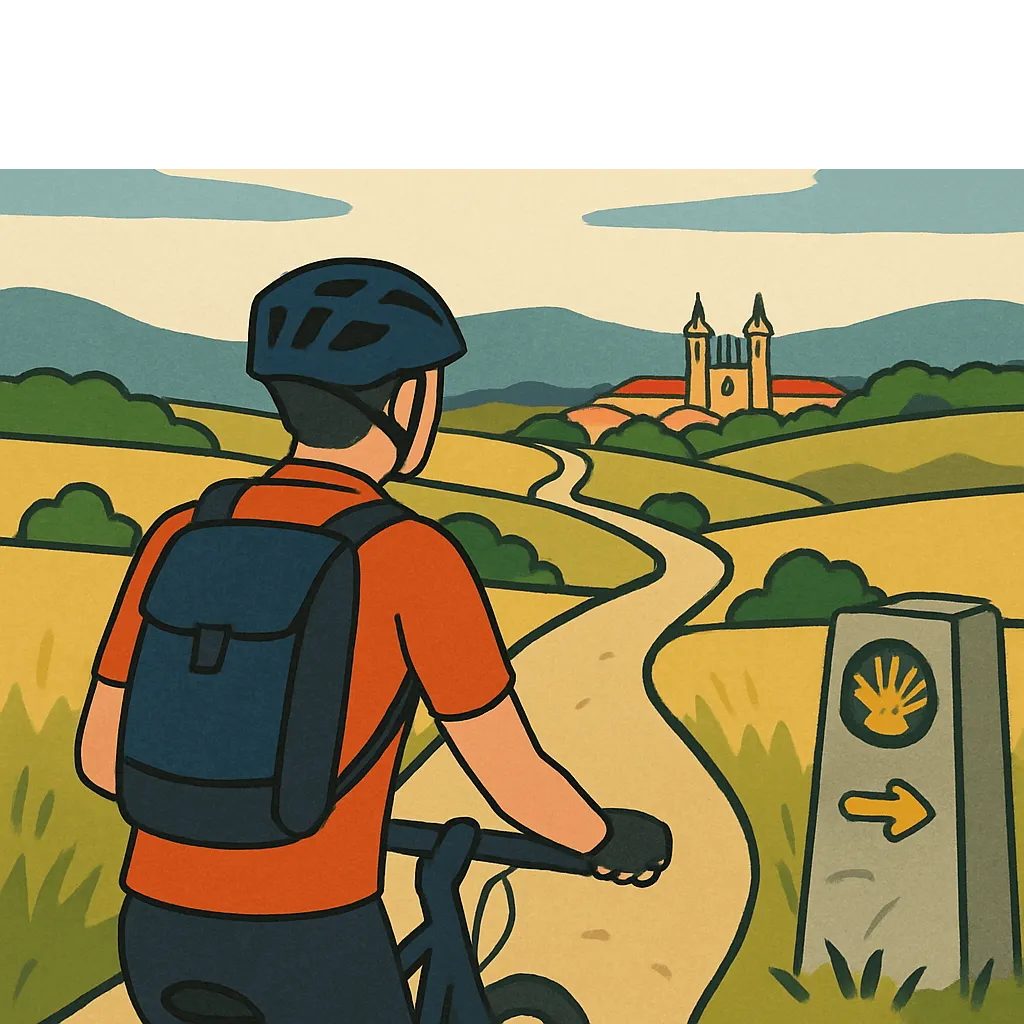
Embarking on the journey from Porto to Santiago de Compostela, with Top Bike Tours Portugal, is a unique adventure. This route, known as the Portuguese Camino, offers a blend of history, culture, and stunning landscapes.
What is the Portuguese Camino?
The Portuguese Camino from Porto to Santiago spans about 240 kilometers via inland or coastal routes, blending historic towns, Atlantic vistas, and well-marked paths. Walkers typically take 10–14 days (cyclists 5–7), with spring and autumn offering ideal conditions and plentiful accommodations from albergues to hotels. Deeply cultural and spiritual, the route supports local communities, can be tailored with public transport, maps, and apps, and culminates with the Compostela in Santiago. Expect camaraderie, reflection, and highlights from Porto, Barcelos, and Ponte de Lima to Viana do Castelo, Baiona, and Pontevedra.
Travelers can choose between inland and coastal paths. Each path provides its own set of experiences and breathtaking views. The journey spans approximately 240 kilometers, offering a challenge for both walkers and cyclists.
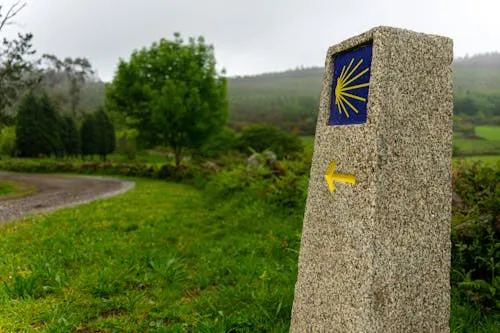
Walking the Portuguese Camino typically takes 10 to 14 days. Cyclists often complete the route in 5 to 7 days. The journey is marked by yellow arrows and scallop shell symbols, guiding pilgrims along the way.
The coastal route is famous for its views of the Atlantic Ocean. It passes through charming seaside towns, adding to its allure. The inland route, on the other hand, takes travelers through historic towns rich in cultural heritage.
Pilgrims can earn a “Compostela” certificate upon completing the journey. This certificate is a testament to their dedication and perseverance. The route is less crowded than the French Way, offering a more tranquil experience.
Whether walking or cycling, the Portuguese Camino promises a journey of discovery. It is a path of spiritual reflection and personal growth. This adventure is a celebration of life, culture, and community.
Overview of the Portuguese Camino
The Camino Portugues is an ancient pilgrimage route with roots back to the Middle Ages. It stretches from Lisbon, through Porto, culminating in Santiago de Compostela. This path is part of the wider Camino de Santiago network, revered across Europe.
Pilgrims often start in Porto, enjoying the city’s rich architecture and friendly atmosphere. Porto marks the beginning for many, offering a modern yet historical ambiance. From here, the journey unfolds through rural landscapes and coastal vistas.
The Camino Portugues is divided into two main paths: the inland and the coastal routes. Each offers distinct experiences and sceneries. The inland path leads through verdant vineyards and ancient towns. Meanwhile, the coastal route boasts beaches and ocean views.
Key highlights along the journey include:
- The Romanesque Church of Rates, showcasing historical art and architecture.
- The vibrant town of Barcelos, known for its artisans and ceramics.
- Ponte de Lima, one of Portugal’s oldest towns with medieval bridges.
The journey is about more than reaching the cathedral in Santiago de Compostela. It encourages reflection, fostering connections with fellow travelers. Pilgrims often find camaraderie and support in shared experiences and struggles.
Throughout the Camino, travelers encounter both physical challenges and moments of pure beauty. The path varies from smooth coastal lanes to rugged forest trails. Each step offers a new perspective, a chance to connect with nature.
Accommodations are abundant, offering comfort at the end of each day’s journey. Choices range from simple albergues to more luxurious hotels. This infrastructure ensures the Camino can accommodate all budgets and preferences.
Ultimately, the Camino Portugues is a journey of discovery, both of places and of oneself. It blends the past with the present, offering a rich tapestry of culture and experience. Walking this path is a profound way to engage with Portugal and Galicia’s shared heritage. The Camino Portugues isn’t just a path on a map; it’s an adventure that leaves a lasting mark on all who take it.
Importance of Porto to Santiago de Compostela
The journey from Porto to Santiago de Compostela is steeped in cultural, historical, and spiritual importance. This route has been a pilgrimage path for centuries, attracting pilgrims and travelers worldwide. It serves as a living connection to past traditions and local faith practices.
Biking this Camino offers a gateway to explore both Portugal and Spain’s cultural identities. The route highlights the distinct cultures of each nation. In Portugal, you’ll experience vibrant cities like Porto, known for its wine and welcoming residents. As you enter Spain, you encounter Galicia’s unique cultural charm, known for its lush landscapes and Celtic influences.
The spiritual significance of this route cannot be overstated. Many embark on the pilgrimage seeking solace, reflection, or spiritual growth. This journey often provides clarity and new perspectives on life. It’s a pathway where spiritual seekers can pause, meditate, and renew their sense of purpose.
This route is also crucial for its economic and social impacts on local communities. Pilgrims contribute to the prosperity of the villages and towns they traverse. Small businesses, such as cafes and artisanal shops, thrive because of the Camino’s steady flow of visitors. It fosters community growth and sustainability, maintaining traditional ways of life.
Here are key aspects of why this journey matters:
- Cultural Exchange: Sharing stories and experiences with fellow pilgrims enriches cultural understanding.
- Preservation of Heritage: The route supports conservation efforts for historical sites and local customs.
- Personal Transformation: Walking the Camino offers internal growth, insight, and self-discovery.
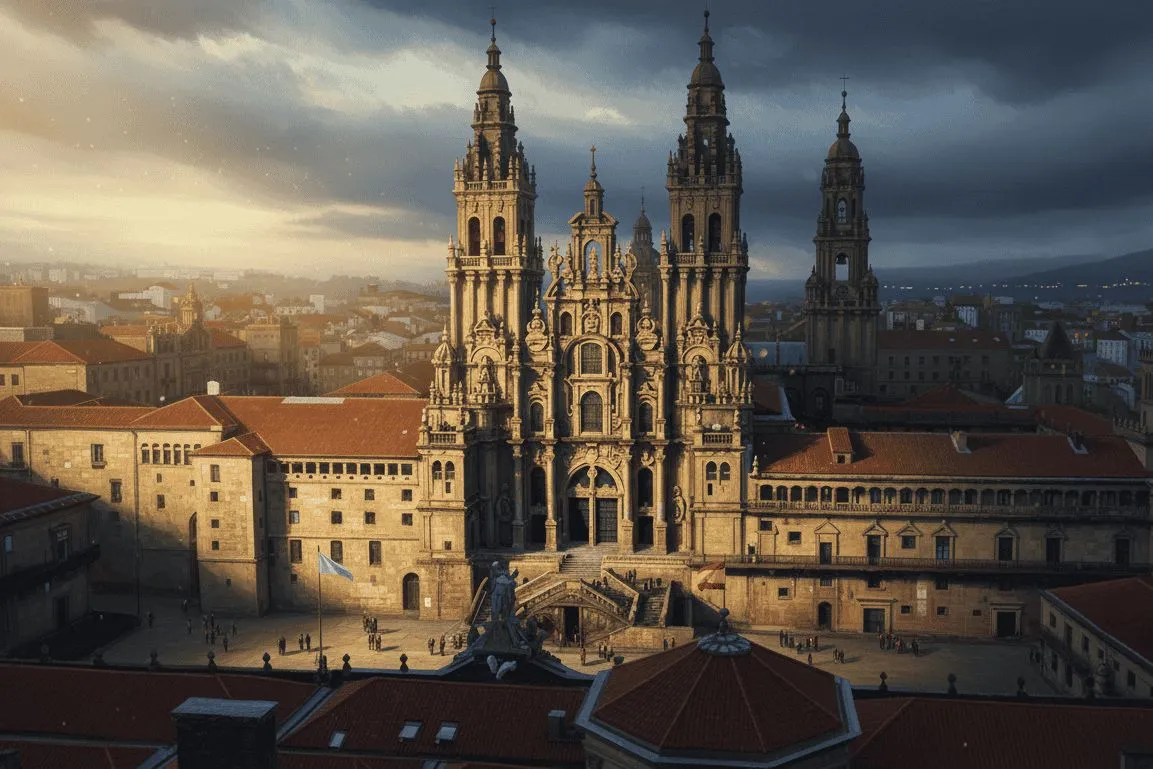
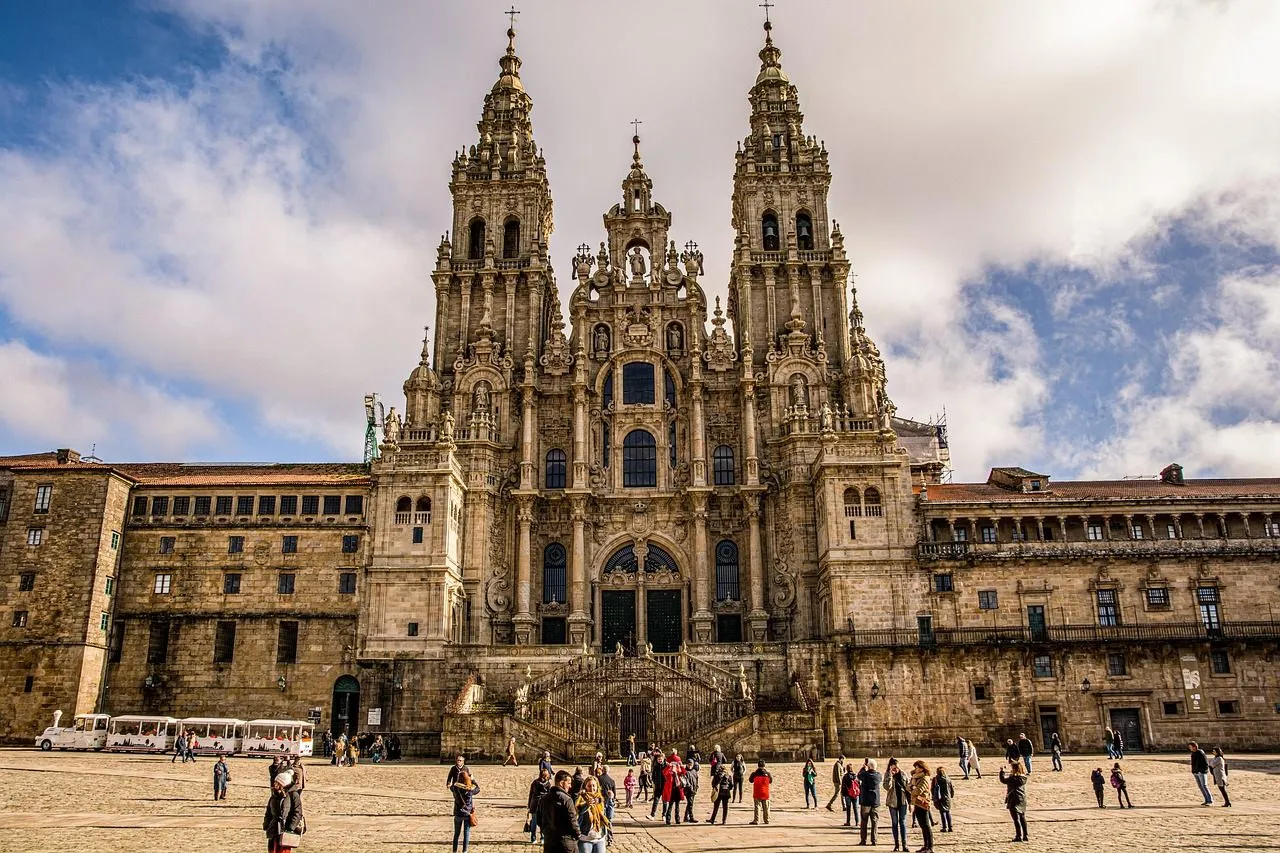
For many, the conclusion of the journey at the Cathedral of Santiago de Compostela is a profound moment. Whether driven by faith, culture, or personal exploration, each pilgrim finds unique meaning in the journey. This pilgrimage is more than a physical trek; it’s a transformative experience that resonates deeply with people of all walks of life. The Camino from Porto to Santiago de Compostela is an enduring symbol of hope, unity, and the human spirit’s resilience.
Planning Your Journey
Planning is essential when setting off on the Camino from Porto to Santiago de Compostela. It’s crucial to decide on the route, whether inland or coastal, and determine your mode of travel. Assess your physical condition and adjust your plans accordingly for a rewarding experience.
Consider other factors such as weather conditions and accommodation options. Make necessary preparations to ensure a smooth journey. The right planning will not only enhance your pilgrimage but also ensure you make the most of the cultural and scenic experiences.
Best Times to Bike the Camino
The timing of your pilgrimage is an important consideration. The Portuguese Camino offers different experiences depending on the season. Spring and autumn are generally the best times to bike the Camino. During these months, the weather is mild and comfortable, making long-distance biking more enjoyable.
Spring offers blooming landscapes and fresh, vibrant scenery. It’s a feast for the eyes and spirit. The cooler temperatures during this season are ideal for biking without the fatigue caused by summer heat. Moreover, springtime means fewer crowds, allowing you a more tranquil journey.
Autumn, on the other hand, is another excellent choice for pilgrims. The crisp air and colorful foliage create a picturesque setting. It also coincides with the harvest season, offering the delight of local produce and festive vibes. Autumn temperatures are mild, encouraging pleasant days for exploration.
Here are key points when choosing the best time:
- Spring (April-June): Ideal for mild weather and vibrant scenery.
- Autumn (September-October): Best for cooler weather and harvest celebrations.
- Avoid July-August: Summer heat and high pilgrim traffic can be challenging.
Choosing the right time will enhance your pilgrimage experience. You’ll find it easier to bike the Camino, connect with fellow travelers, and enjoy the stunning landscapes. Plan your pilgrimage around these seasons to make the most of this unforgettable journey.
How Long Does it Take to Bike the Portuguese Camino?
Understanding the time commitment is vital for those planning to bike the Portuguese Camino. Generally, it takes around 5 to 7 days to complete the trek from Porto to Santiago de Compostela. The distance is approximately 240 kilometers, and your biking pace and route choice will influence the duration.
The inland route tends to be quicker for experienced bikers due to its direct path. In contrast, the coastal route, though longer, offers breathtaking views that may encourage leisurely exploration. Many pilgrims, inspired by the stunning Atlantic coastline, choose to spend additional days on this route for a more relaxed experience.
To plan your journey effectively, consider the following factors:
- Daily Distance: Average 50 kilometers per day for comfortable Biking.
- Rest Days: Include a few rest days to recover and enjoy local sites.
- Pace and Fitness Level: Adjust your plans based on your physical condition.
With careful planning, you can tailor the Camino to your preferences, ensuring a memorable pilgrimage. Whether choosing a brisk pace or leisurely journey, the Camino promises a mix of challenge, reflection, and adventure.
Transportation Options: Porto to Santiago de Compostela
Exploring transportation options is essential when planning the Camino. Although many prefer to bike, various modes of transport connect Porto and Santiago de Compostela. This flexibility allows you to tailor the pilgrimage to your needs.
For those with time constraints or physical limitations, public transport offers practical solutions. Trains and buses operate regularly, providing reliable travel between key towns. These options also benefit travelers wishing to return after completing their pilgrimage.
Buses and Trains
Trains and buses are efficient transport alternatives for those journeying from Porto to Santiago de Compostela. The railway network connects major points along the route. It makes it an easy option for those looking to break up their journey with scenic train rides.
The train offers comfortable seating and picturesque views. It’s ideal for those who prefer a more relaxed travel experience. In contrast, buses offer flexibility, with more frequent services and connections to smaller towns. This accessibility is beneficial for pilgrims wishing to explore various segments of the Camino.
Key points about buses and trains include:
- Trains: More leisurely and scenic, connecting major towns.
- Buses: Offer flexibility with frequent schedules and routes.
- Tickets: Book in advance for better prices and availability.
Utilizing public transport is a convenient way to complement your pilgrimage or return journey. It allows you to explore at your own pace while ensuring you reach Santiago de Compostela as planned.
Cycling and Walking
Cycling and walking are popular modes of pilgrimage on the Camino, offering a hands-on approach to the journey. Cycling the Portuguese Camino allows you to cover more ground quickly. It provides the freedom to explore hidden paths and enjoy a different perspective.
Cyclists often complete the route in about 5-7 days, depending on fitness and pace. Walking, however, offers a slower, more immersive experience. This method allows you to engage deeply with the landscape, culture, and fellow pilgrims.
When choosing between cycling and walking, consider:
- Cycling: Faster pace, flexible routes, more ground covered daily.
- Walking: Immersive experience, slower pace, closer connection to the environment.
- Physical Fitness: Both options require preparation and endurance.
Both cycling and walking offer unique advantages for the Camino, providing rich experiences no matter the choice. Decide based on your preferences, fitness level, and the experience you wish to achieve on this remarkable pilgrimage.
The Route
Embarking on the Camino from Porto to Santiago de Compostela offers a remarkable journey full of history, culture, and stunning landscapes. Each stretch of the route presents a unique array of experiences that cater to diverse preferences.
The path can be divided into two main routes: the inland and the coastal. The inland route is known for its historical towns and cultural landmarks. Meanwhile, the coastal route charms travelers with its scenic ocean views and beachside towns.
Exploring the Portuguese Camino Route
The Portuguese Camino Route is steeped in tradition, offering pilgrims the chance to explore both rich cultural settings and natural landscapes. The route begins in Porto, a city known for its picturesque riverside views and vibrant atmosphere. From here, adventurers can choose between the inland or coastal paths, each offering its charms and challenges.
The inland route is straight and often favored by those seeking a faster passage. It takes pilgrims through ancient towns like Barcelos and Ponte de Lima, rich in history and medieval architecture. This route offers travelers a chance to engage deeply with Portugal’s cultural heritage.
Conversely, the coastal route beckons with its stunning Atlantic Ocean views and relaxing beaches. Charming fishing villages punctuate the path, inviting travelers to pause and enjoy fresh seafood and local hospitality. This route also offers a peaceful ambiance, making it ideal for contemplation and reflection.
When preparing for the Portuguese Camino, consider these essential aspects:
- Route Choice: Inland for historical depth, coastal for scenic beauty.
- Daily Distance: Plan according to ability and time constraints.
- Accommodations: Research available options ahead of your journey.
Each route on the Portuguese Camino holds its enchantments and provides opportunities for personal discovery. Whether you choose the cultural allure of the inland route or the breathtaking vistas of the coastal path, the journey promises to be transformative.
Key Stages from Porto to Santiago
The journey from Porto to Santiago de Compostela is segmented into key stages. Each stage offers its distinct charm and cultural elements, making every segment a unique pilgrimage experience.
Starting in Porto, the route unfolds through mesmerizing landscapes and towns. The first stage often leads to Vila do Conde, famous for its seafront and historical sites. Pilgrims can enjoy peaceful walks along the shore, absorbing the tranquility of the environment.
Continuing north, Esposende marks the next significant point. Known for its picturesque beaches and vibrant community, it offers ample opportunities to unwind and explore. From Esposende, the path progresses to Viana do Castelo, a city renowned for its architectural beauty and rich historical tapestry.
Further stages include:
- Caminha: Gateway to Galicia, offering ferry crossing options.
- Baiona: Picturesque coastal town, complete with medieval fortresses.
- Pontevedra: A hub of activity with a charming old town.
Reaching Santiago de Compostela marks the culmination of an epic journey. Here, pilgrims receive their “Compostela” certificate and reflect on their accomplishments amidst the grand setting of Santiago’s iconic cathedral. Each stage brings forth a new experience, crafting unforgettable memories along the way.
Maps and Guides for the Camino Portuguese
Navigating the Portuguese Camino is facilitated by an array of maps and guides. These resources not only ensure smooth travel but also enrich your understanding of the regions traversed. Detailed maps highlight the main trails, accommodations, and points of interest, crucial for efficient planning.
Guidebooks provide further insight into cultural and historical aspects. They feature personal anecdotes and tips from past pilgrims, offering valuable perspectives for newcomers. These narratives can inspire and motivate you throughout your pilgrimage.
Essential tools for your journey include:
- Camino Portuguese Coastal Route Map: Outlines both inland and coastal trails.
- Guidebooks: Offer cultural insights, route details, and personal experiences.
- Digital Apps: Provide real-time updates on paths and accommodations.
Utilizing maps and guides will enhance your Camino experience. These tools empower you to explore the route thoroughly and appreciate its cultural significance, ensuring a rewarding journey from start to finish.
Scenery Along the Camino Portugues Coastal Route
The Camino Portugues Coastal Route presents travelers with breathtaking scenery. The trail gently follows the Atlantic coastline, offering expansive views of the ocean. Each step is accompanied by the soothing sounds of waves and sea breezes.
Along the path, sandy beaches and rugged cliffs alternate, creating a diverse and picturesque landscape. This coast, with its vibrant colors and natural beauty, captivates all who traverse its sands. It’s a place of peace and awe, inviting pilgrims to pause and appreciate the splendor of nature.
Highlights and Must-See Sights
While traversing the Camino Portugues Coastal Route, several highlights and must-see sights demand attention. The city of Porto itself is a gem, with its historic architecture and lively culture setting the stage for the journey ahead.
As you move forward, the town of Vila do Conde awaits. Its iconic aqueduct and charming seaport provide both beauty and history. It’s a place where the past meets the present, presenting a perfect blend for curious travelers.
Notable landmarks along the way include:
- Povoa de Varzim: Famous for sandy beaches and vibrant markets.
- Viana do Castelo: Noteworthy for its hilltop sanctuary and historic streets.
- Galician Coastline: Offers dramatic vistas, best savored at sunrise or sunset.
Reaching the town of Baiona, you find beautiful medieval structures overlooking the sea. Here, history comes alive in the architecture and cobblestone streets, offering a glimpse into the past. The camino is adorned with such wonders, each leaving an indelible mark on those who walk its path.
Best Photography Spots
For photography enthusiasts, the Camino Portugues Coastal Route is a paradise. The scenic beauty offers countless opportunities for captivating shots, from sweeping ocean views to intimate village scenes.
The beaches near Vila do Conde provide prime landscapes for capturing sunrises. Their golden sands shimmer under the early morning light, creating a majestic scene. Meanwhile, Viana do Castelo offers architectural splendor, with its magnificent bridge and charming skyline providing a stunning backdrop.
Photographers should consider these prime spots:
- Caminha’s Coastal Ridge: Perfect for sunset shots over the Atlantic.
- Baiona’s Fortress: Offers panoramic views ideal for wide-angle photography.
- Pontedeume’s Plaza: Known for lively street scenes and historic charm.
The journey itself is a canvas of natural wonder and cultural intrigue. With each step, new photo opportunities arise, ensuring the Camino remains a cherished memory captured through the lens.
Tips for Biking the Camino
Biking the Camino requires thoughtful preparation and mindful decision-making. It’s essential to equip yourself both physically and mentally for the journey ahead. Be sure to pace yourself, allowing adequate time to rest and soak in the surroundings.
Hydration and nutrition are key components. Always carry enough water and snacks to sustain your energy levels throughout the day. The weather can shift, so be prepared with layered clothing, ensuring comfort across varied climates.
Essential Gear for the Journey
Embarking on the Camino demands appropriate gear to ensure comfort and safety along the way. A well-packed backpack is crucial, balancing necessary items with weight considerations to avoid fatigue. Selecting the right gear is the foundation of a successful pilgrimage.
A durable backpack with rain cover is essential, safeguarding your belongings against unexpected weather. Quality socks, will help prevent blisters and maintain comfort.
Key gear items to consider include:
- Backpack: Lightweight with ample support.
- Clothing: Breathable layers suitable for changing weather.
- Hydration System: Reusable water bottle or hydration pack.
- First Aid Kit: Bandages, blister treatment, and necessary medications.
Moreover, a compact sleeping bag is advisable, especially if staying in albergues. Not forgetting, a hat and sunscreen are vital for sun protection during longer hikes.
Local Cuisine and Accommodations
The Camino presents a culinary journey through local flavors and regional dishes. From the vineyards of Portugal to Galicia’s hearty fare, the trail offers a vibrant taste of Iberian culture. Sampling local cuisine is integral, enriching your experience with regional specialties and shared meals.
In Portugal, savor the seafood dishes, renowned for their freshness and diversity. Bacalhau, or salted cod, is a staple not to be missed. Paired with local wines, these meals provide a delightful respite from the day’s walk.
Accommodation ranges from simple hostels to more luxurious options. Albergues are plentiful, offering budget-friendly shared spaces where camaraderie flourishes. Private inns and guesthouses provide a more secluded stay, perfect for quiet reflection.
Consider these meal highlights and accommodation types:
- Portuguese Dishes: Bacalhau, caldo verde (green soup), and pastel de nata (custard tart).
- Accommodations: Hostels, hotels, and quaint guesthouses.
- Regional Wines: Vinho Verde for a refreshing taste.
Every stop along the Camino is an opportunity to indulge in local culture. Whether it’s a hearty meal shared with fellow pilgrims or a cozy bed for the night, these aspects are integral to the Camino experience.
Connecting with Fellow Pilgrims
A defining element of the Camino is the friendships forged along the route. Meeting fellow travelers enriches the journey, with shared stories and experiences creating lifelong connections. Conversations flow naturally during meals or rest periods, offering diverse perspectives and companionship.
Social gatherings occur spontaneously, as pilgrims converge in communal spaces. Albergues host lively evenings, where shared meals and laughter abound. These moments foster a sense of belonging, uniting individuals from various backgrounds.
To facilitate meaningful interactions, keep these practices in mind:
- Be Open: Embrace the diversity of fellow pilgrims.
- Attend Communal Meals: Engage in group gatherings and discussions.
- Join Camino Events: Participate in guided tours and local festivities.
Embracing the social fabric of the Camino enhances the journey profoundly. Each interaction, no matter how brief, adds to the rich tapestry of your pilgrimage. Through these connections, pilgrims find community, inspiration, and support on their transformative path.
Conclusion
The pilgrimage from Porto to Santiago de Compostela offers a transformative experience. Every step on this sacred path is an invitation to explore personal and cultural horizons. The journey’s end is not a conclusion but a new beginning.
Upon reaching Santiago, pilgrims carry not just memories, but a renewed sense of self. The lessons learned, friendships formed, and challenges overcome enrich your life’s tapestry. This journey leaves an indelible mark on your spirit.
Top Bike Tours Portugal also has more tours to Santiago de Compostela like the The French Way starting in León, Portuguese Camino Route and The French Way.
Reflecting on the Camino Experience
Biking the Camino provides moments of deep reflection. As you move through diverse landscapes, time slows down, allowing introspection and mindfulness. Each day presents a tapestry of experiences, from meeting fellow pilgrims to overcoming personal challenges.
The physical exertion is mirrored by an inner journey. Many find peace in the rhythmic pace, with nature’s beauty offering solace. This path is a space to untangle complex thoughts and find clarity. Reflecting on your intentions can bring peace and purpose.
The end of the Camino doesn’t signal closure. Instead, it marks the continuation of life’s journey with newfound perspectives. The experience fosters growth, a deeper appreciation for simplicity, and gratitude for every encounter along the way.
Encouragement for Future Pilgrims
For those considering the Camino, embrace the journey with an open heart. This path offers challenges and joys, calling to those seeking transformation. Preparedness and openness to the unknown are your allies on this pilgrimage.
Start each day with gratitude, ready to embrace whatever unfolds. Remember, it’s not just about reaching Santiago but also cherishing the journey itself. Let the Camino guide you through lessons in patience, endurance, and camaraderie.
Future pilgrims, you will carry the Camino’s spirit back to your daily life. This journey invites you to discover hidden strengths and reconnect with simplicity. Embark on this path to uncover a world of beauty, hope, and endless possibilities.