Cycling Southern Portugal: A Complete Algarve Bike Tour Guide
Written by Sérgio Marques, Founder & Route Designer, Top Bike Tours Portugal
May 11, 2026
1559 words
8 minutes
Southern Portugal is one of Europe’s most versatile cycling regions. Within a relatively compact area, the Algarve offers coastal rides above dramatic cliffs, peaceful inland roads winding through traditional villages, and excellent gravel tracks connecting the sea to the hills. What makes the Algarve especially appealing is not just its landscapes, but how accessible and varied the cycling experience is across skill levels, bike types, and seasons.
This guide is designed as a complete, high‑level framework for cycling the Algarve. Rather than repeating specific routes, highlights, or technical details already covered in our in‑depth articles, this pillar explains how everything fits together, helping you understand where to ride, what type of bike tour suits you, and how to plan a multi‑day cycling journey in Southern Portugal.
Throughout the article, you’ll find links to related resources that explore each topic in greater detail.
Why the Algarve Is Ideal for a Bike Tour
The Algarve’s strength lies in balance. It combines mild weather, low traffic on secondary roads, compact daily distances, and a well‑established tourism infrastructure. Unlike more mountainous cycling regions, the Algarve allows riders to shape their experience with easy coastal rides, rolling inland profiles, challenging climbs, or mixed‑surface routes, without long transfers or extreme elevation.
Cyclists benefit from:
- A year‑round riding season
- Quiet secondary roads away from traffic hotspots
- Well‑maintained tarmac and abundant gravel options
- Distinct cycling zones within short distances
This makes Southern Portugal ideal for leisurely cycling holidays, self‑guided tours, and e‑bike trips, as well as more active itineraries that mix coast and countryside.
Understanding Algarve Cycling Geography
To plan a successful Algarve bike tour, it helps to understand how the region is naturally divided. Each zone offers a different riding experience, terrain, and rhythm.
Coastal Algarve
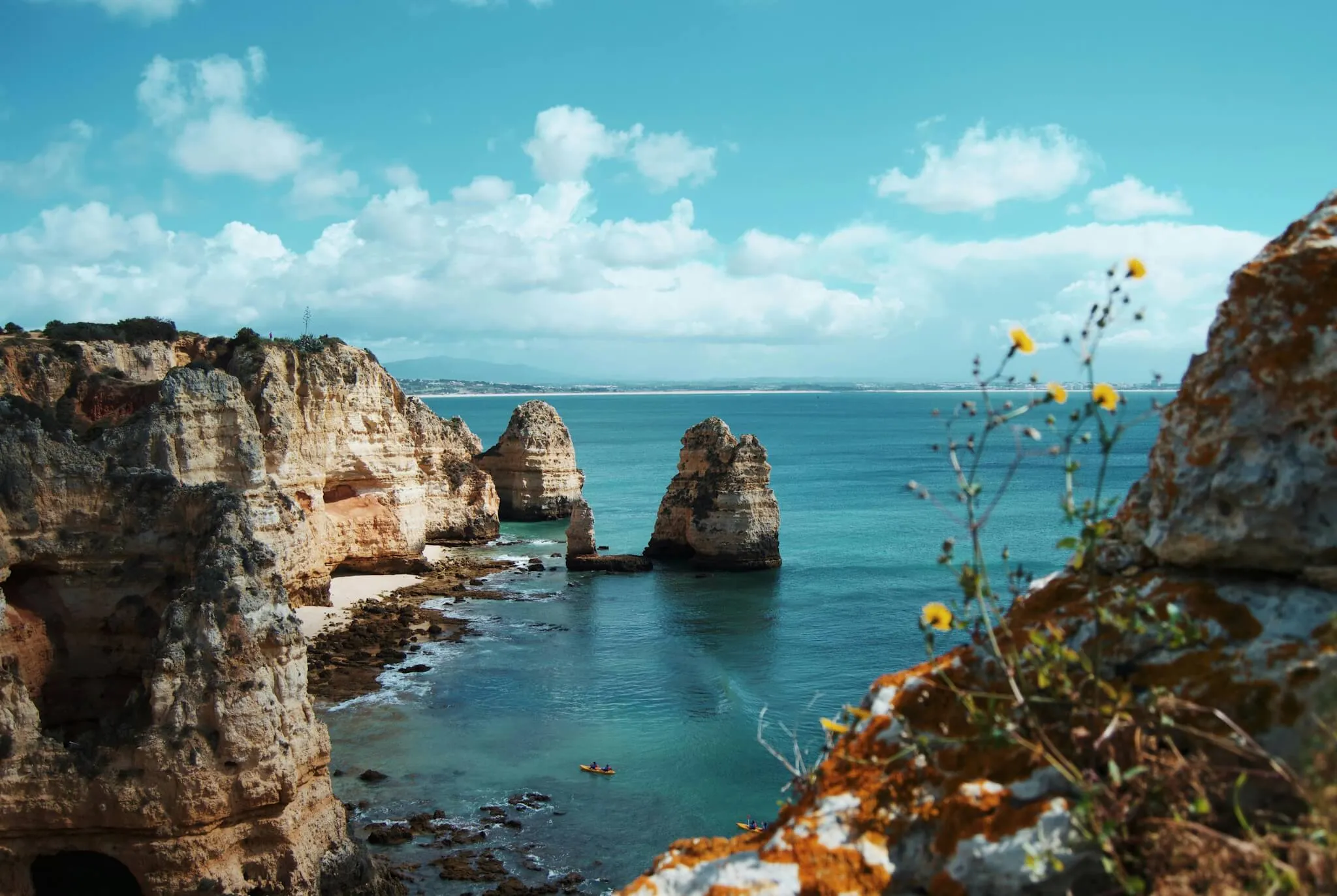
The coastline defines much of the region’s identity. Rides near the sea are generally gentler in profile but visually striking, with cliffs, beaches, fishing villages, and open ocean views. Cycling close to the coast tends to feel relaxed and immersive, often combined with seaside cafés, harbours, and protected nature parks.
For cyclists interested in capturing these landscapes, working with a local Algarve photographer can add another dimension to the experience, especially along iconic spots like Lagos or the west coast cliffs.
For cyclists interested in extended coastal routes that continue beyond the Algarve, our guide to Cycling the Fishermens Trail in Alentejo and Algarve explores this iconic long‑distance coastal journey in detail.
Barrocal and Inland Hills
Just behind the coastline lies the Algarve’s rural heart. This inland zone is defined by rolling terrain, traditional agriculture, whitewashed villages, and a slower pace of life. Roads here are typically quiet and ideal for riders looking for authenticity and solitude.
This area is particularly suited to relaxed road cycling, hybrid bikes, and gravel itineraries that link villages and countryside without major climbs.
Serra and Mountain Areas
Further inland, the Algarve rises into hillier terrain. These zones offer more elevation gain, remote landscapes, and cooler temperatures. While not necessary for every itinerary, they add depth to longer multi‑day tours and are excellent for riders seeking variety within a single region.
Road Cycling, Gravel Cycling, or Hybrid Touring?
One of the Algarve’s major advantages is that it works well for multiple cycling styles. Choosing the right format depends on what kind of experience you want rather than on fitness alone.
Road Cycling Tours
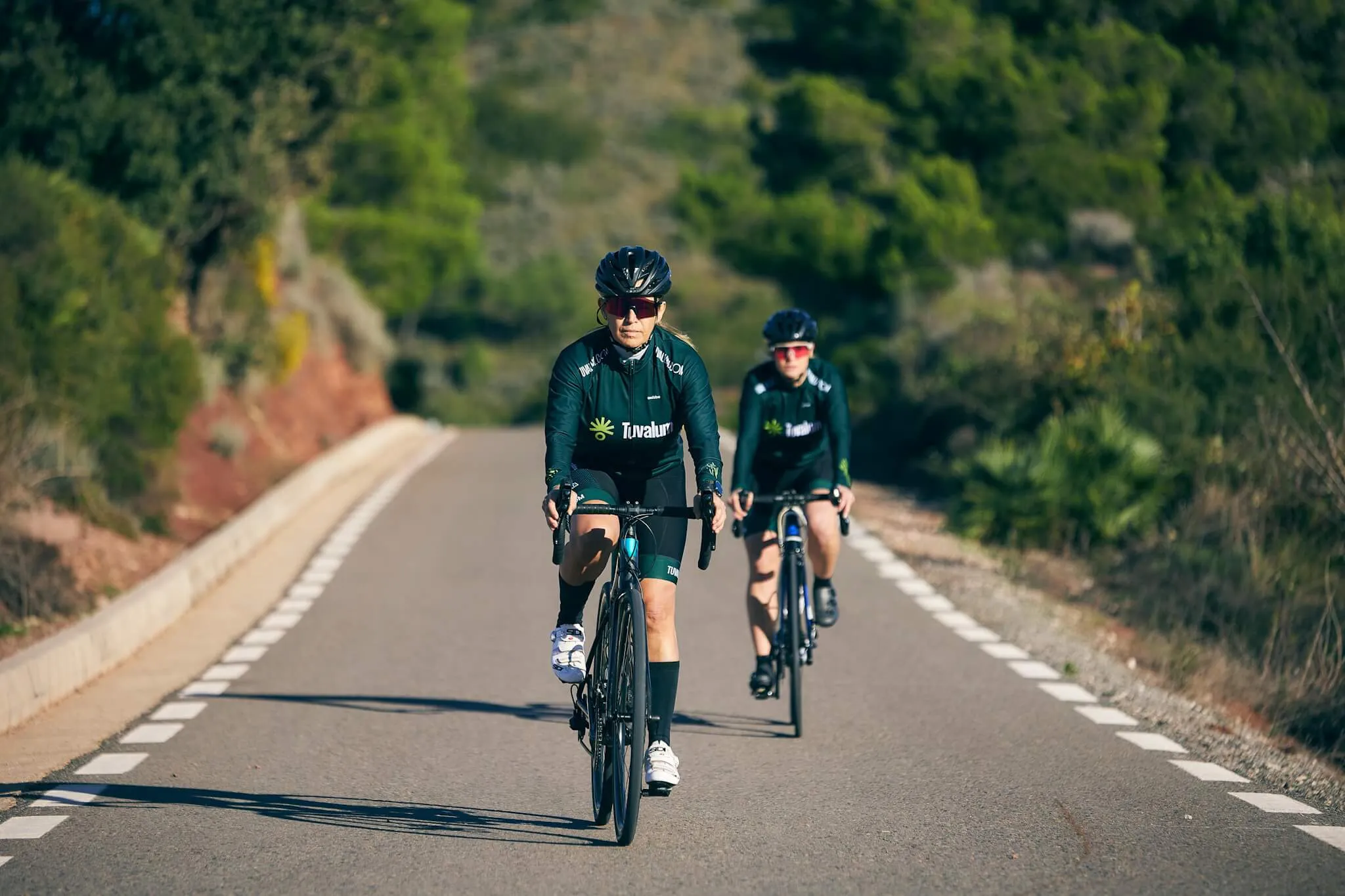
Road cycling in the Algarve is mostly about smooth secondary roads and scenic connections rather than extreme climbs. Daily distances are manageable, and road surfaces are consistently good. Many itineraries use the coast for easier days and the inland roads for variation.
Gravel Cycling Adventures
Gravel cycling opens up a quieter Algarve. It allows access to farmland, forest tracks, coastal paths, and long inland connectors unreachable by road bike alone. Gravel routes especially shine when linking the Algarve with neighbouring Alentejo or exploring inland loops well away from tourism centres.
For inspiration, explore our guide to quiet inland gravel loops in the Algarve.
Hybrid and E‑Bike Tours
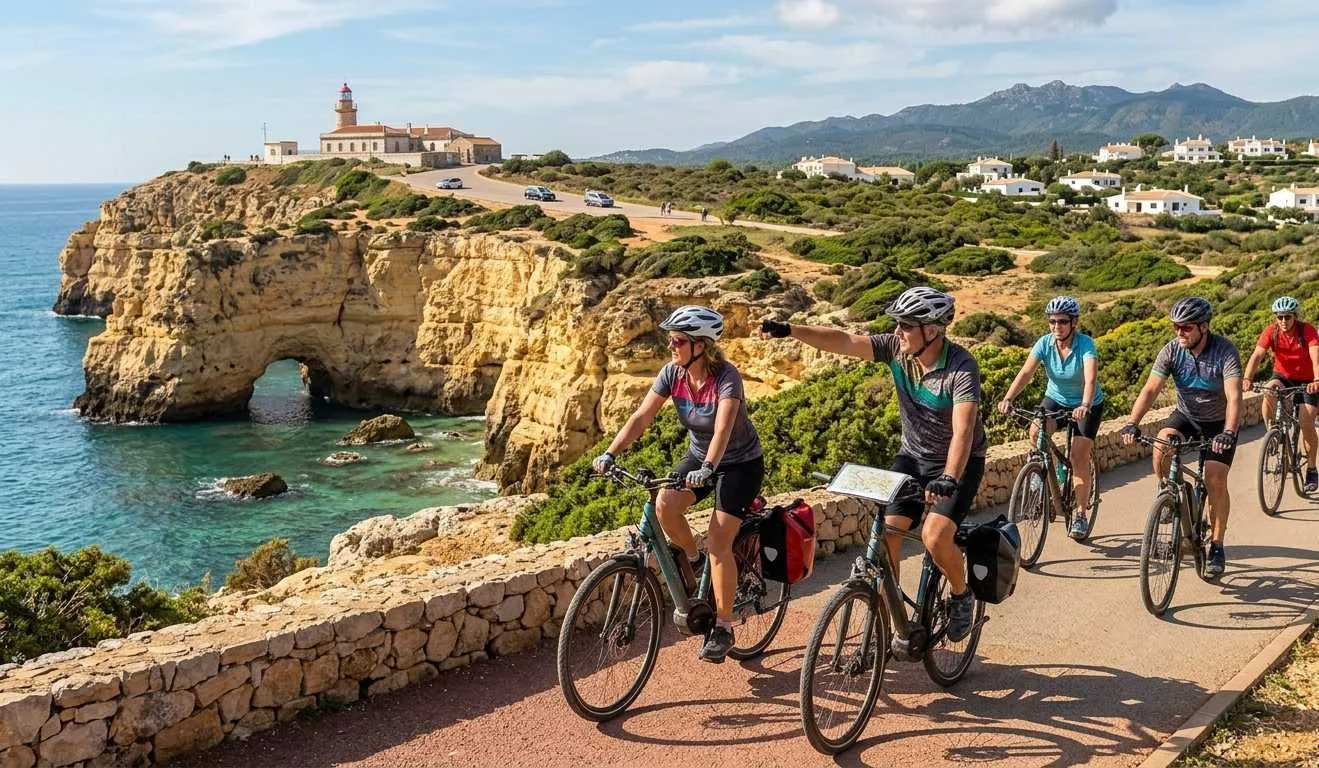
Hybrid bikes and e‑bikes remove barriers. Gentle profiles, short climbs, and flexible daily distances make the Algarve suitable for couples, mixed‑ability groups, and travellers more focused on scenery and culture than athletic performance.
Coastal vs Inland Algarve: How to Choose
Many travellers ask whether they should focus on the coast or go inland. In practice, the most rewarding Algarve bike tours combine both, but the balance depends on priorities.
- Choose coastal‑focused cycling if ocean views, beaches, and relaxed daily riding matter most.
- Choose inland‑focused routes if you prefer quiet roads, rural culture, and traditional villages.
- Combine both for a complete Algarve experience that evolves day by day.
If you are deciding between regions, our Algarve vs Douro Valley bike tour comparison may help.
How Long Should an Algarve Bike Tour Be?
The Algarve works well for tours between 5 and 10 days, depending on pace and ambition.
- Shorter tours focus on highlights and relaxed riding
- Medium‑length tours allow a mix of coast and countryside
- Longer itineraries offer depth, progression, and variation
Because distances between towns are small, rest days and optional loops are easy to incorporate without logistical complexity.
When Is the Best Time to Cycle in the Algarve?
The Algarve is one of Europe’s strongest year‑round cycling destinations, but conditions vary enough that timing matters for comfort and route choice.
Spring and autumn offer the best balance of temperatures, light, and low traffic. Summer is ideal for coastal rides with early starts, while winter remains mild and well suited to active travellers who value quiet roads and uncrowded landscapes, as explained in our detailed Algarve cycling seasons guide.
Where You Stay on an Algarve Bike Tour
A key element that shapes the overall experience of a multi‑day cycling journey in Southern Portugal is accommodation. Where you stay influences not only comfort and recovery, but also how each day flows—from relaxed coastal evenings to quiet inland retreats. In the Algarve, accommodations are typically small‑scale, welcoming, and well integrated into the landscape, often located within walking distance of restaurants and local life. For a detailed overview of the types of places you can expect throughout the journey, including how they vary between coast and countryside, see our guide on where you stay on an Algarve bike tour.
Planning a Multi‑Day Algarve Bike Tour
A well‑planned Algarve bike tour focuses on flow rather than distance. Daily stages should connect naturally, with time built in for stops, meals, and exploration.
Key planning elements include:
- Daily distances matched to terrain and bike type
- Accommodation selected close to route flow
- Logical transitions between coast and inland
- Optional short loops or scenic detours
If you are preparing for several days on the bike, equipment choices, pacing, and rest strategies become just as important as route design. Our guide on how to prepare for a multi‑day bike tour in the Algarve covers these practical aspects in detail, from bike setup to daily recovery on the road.
Cultural and Culinary Highlights Along the Way
Cycling in Southern Portugal is not just about landscapes. One of the Algarve’s strengths is how naturally food, wine, and culture fit into a cycling rhythm.
Expect:
- Fresh seafood along the coast
- Hearty inland cuisine in rural villages
- Relaxed meal timings suited to cyclists
- Strong local hospitality and small, family‑run accommodations
Cycling allows you to arrive at places slowly, notice transitions between regions, and engage with local life in a way fast travel never allows.
Guided or Self‑Guided: What Works Best in the Algarve?
Both formats work well in Southern Portugal.
- Self‑guided tours suit independent travellers comfortable with navigation and flexible schedules.
- Guided tours add local context, route refinement, logistics, and interpretive depth.
The Algarve’s compact geography makes self‑guided touring particularly approachable, while guided experiences shine on mixed‑surface routes or when crossing into quieter inland areas.
Sustainability and Responsible Cycling Tourism
The Algarve rewards responsible travel. Quiet roads, small villages, and protected coastal areas benefit when cycling tourism is approached with care.
Sustainable cycling in Southern Portugal means:
- Using secondary roads and low‑impact routes
- Supporting local accommodations and restaurants
- Respecting natural parks and coastal ecosystems
- Travelling in small groups at a relaxed pace
Cycling is already one of the lowest‑impact ways to explore the region, especially when combined with thoughtful itinerary design.
Is an Algarve Bike Tour Right for You?
If you value variety, flexibility, and immersion over extreme athletic challenges, the Algarve is an exceptional choice. It suits couples, solo travellers, small groups, and riders who want a well‑balanced cycling holiday rather than a single‑focus training destination.
Southern Portugal offers something rare: a cycling region that adapts to the rider, not the other way around.