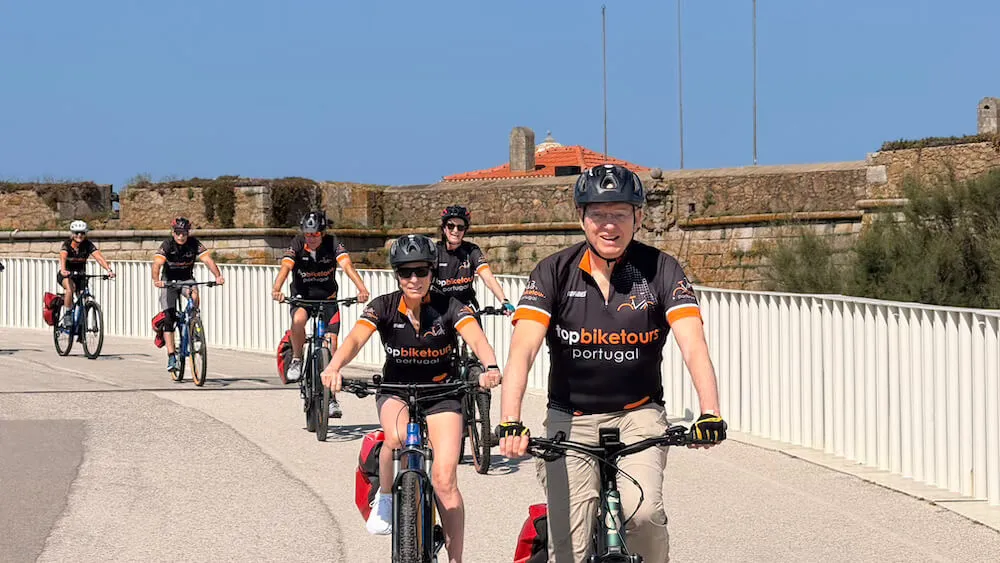
Cycling the Portuguese Camino from Porto to Santiago: The Complete Bike Tour Guide
Written by Sérgio Marques, Founder & Route Designer, Top Bike Tours Portugal
April 14, 2026
1338 words
7 minutes
Cycling the Portuguese Camino from Porto to Santiago de Compostelais one of Europe’s most accessible and rewarding long‑distance bike journeys. Rooted in centuries of pilgrimage history and shaped by Portugal’s constantly improving cycling infrastructure, this route combines cultural depth, coastal scenery, and manageable daily distances — making it ideal for recreational cyclists, couples, families, and first‑time multi‑day riders.
Unlike more demanding European cycling routes, the Camino Português rewards preparation and pacing rather than physical endurance. With the right route choice, bike setup, and logistical support, it becomes a smooth and deeply immersive travel experience — whether you ride for spiritual reasons, cultural discovery, or simply the joy of traveling slowly by bicycle.
This guide has been created by Top Bike Tours Portugal, a local cycling company that has been designing and operating Porto‑to‑Santiago bike tours for over a decade. It is intended to serve as the central reference for cycling the Portuguese Camino, offering a complete overview of routes, terrain, accommodation, bikes, seasons, and planning considerations, while linking to more detailed resources for those who wish to explore specific aspects of the journey in greater depth.
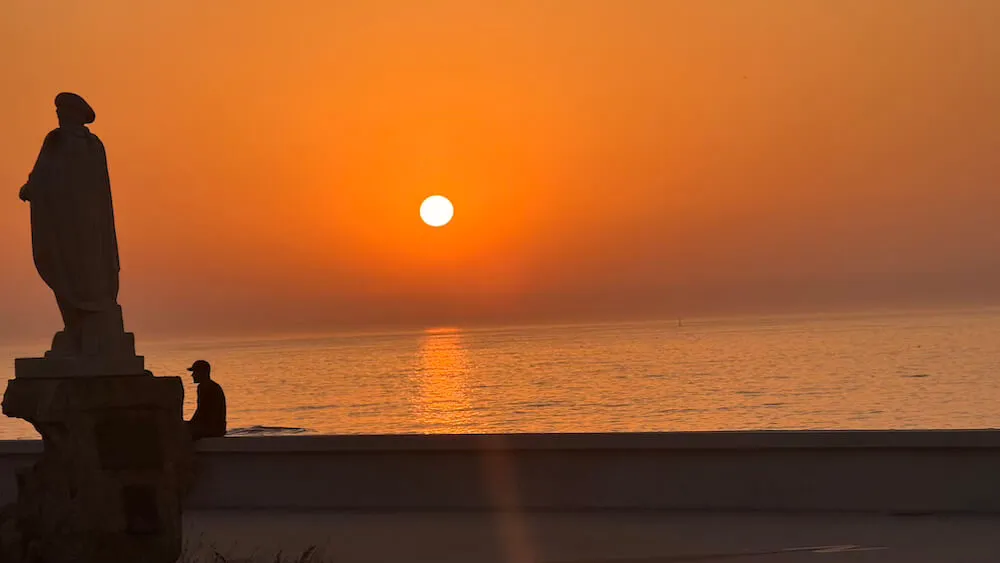
What Is the Portuguese Camino?
The Portuguese Camino (Camino Português) is one of the main historical pilgrimage routes leading to Santiago de Compostela, in Galicia, Spain. Traditionally, it begins in Lisbon or Porto, crossing northern Portugal before entering Spain and finishing at the Cathedral of Santiago, where the remains of Saint James are believed to rest.
Today, it is the second most popular Camino route, after the Camino Francés, and continues to grow in popularity thanks to:
- Improved cycling infrastructure in Portugal
- Scenic coastal route alternatives
- A gentler physical profile than many Spanish Caminos
- High‑quality accommodation options along the way
Although the route is deeply connected to pilgrimage traditions, you do not need to be religious to enjoy it. Modern cyclists are drawn by the scenery, local culture, gastronomy, and the symbolic satisfaction of completing a historic journey under their own power.
Why Cycle the Camino Instead of Walking?
Cycling the Camino offers a different — but equally meaningful — experience to walking.
Key advantages of cycling:
- Time efficiency: Complete the route in 6–8 riding days instead of several weeks
- Greater comfort: Hotels and guesthouses rather than shared pilgrim dormitories
- Wider accessibility: Suitable for active travelers without extreme fitness
- Flexibility: Easier to adjust distances, rest days, or skip sections
- E‑bike compatibility: Makes the route accessible to a wide age range
Cyclists still follow the historic paths, visit the same towns, and arrive in Santiago with the same sense of achievement — but with more comfort and flexibility along the way.
👉 If you’re deciding between both options, this detailed comparison may help: Cycling vs Walking the Portuguese Camino
Route Options Explained: Coastal vs Inland Portuguese Camino
One of the most important planning decisions is choosing which route to follow.
Coastal Route (Recommended for Most Cyclists)
Porto → Atlantic Coast → Galicia → Santiago
This is the most popular option and the route followed on most Porto to Santiago cycling tours.
Why choose it:
- Flatter terrain during the first days
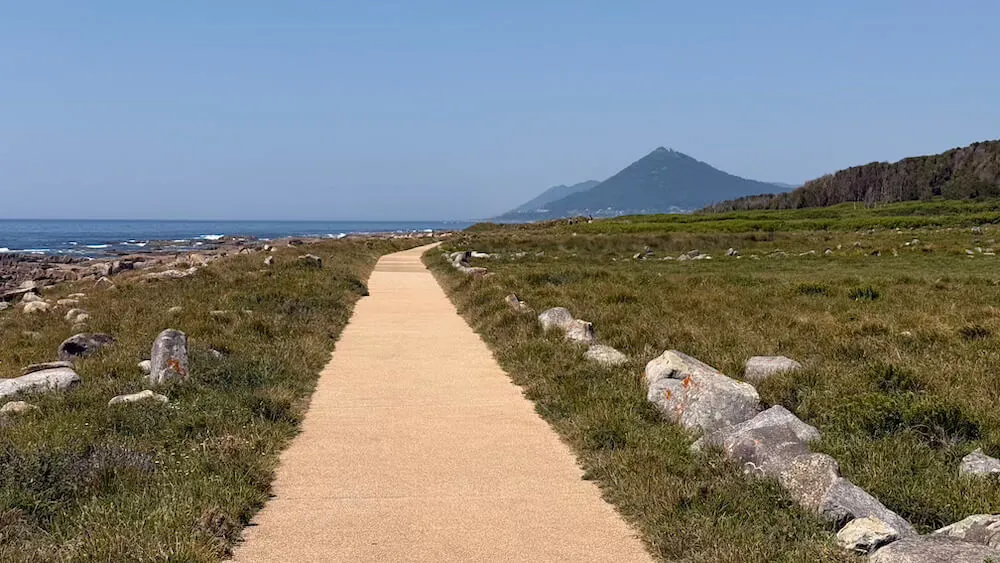
- Scenic ocean views and charming coastal towns
- Dedicated boardwalks and cycle paths
- Cooler temperatures in warmer months
- Ideal for leisure cyclists and e‑bikes
The early stages follow the Atlantic coastline before turning inland in Galicia, where the route reconnects with the traditional pilgrimage trails.
For travelers looking for a fully organised experience, our Porto to Santiago de Compostela Bike Tour includes luggage transfers, accommodation, route planning, and optional e‑bikes.
Inland Route (More Demanding)
Porto → Interior Portugal → Galicia → Santiago
This is the original historical Camino route.
Consider this option if you want:
- A more traditional pilgrimage atmosphere
- Hillier terrain and earlier climbs
- Fewer coastal landscapes
Because it involves more elevation and mixed‑traffic sections, the inland route is best suited to experienced cyclists looking for a more physically demanding challenge.
Bottom line: For most riders — especially first‑time Camino cyclists — the Coastal Route offers the best balance of comfort, scenery, and historical connection.
👉 For a full overview of how the journey unfolds day by day, see: Your Guide to the Porto to Santiago de Compostela Bike Tour
What Is the Terrain Really Like?
Terrain Profile
- Portugal (first half): Mostly flat to gently rolling
- Galicia (Spain): More undulating, with short climbs but no alpine passes
Road Surfaces
Expect a varied but manageable mix:
- Quiet paved roads
- Bike paths and boardwalks
- Compact gravel and rural paths
- Historic cobblestones in short sections (especially near Porto)
Professional bike‑tour routes intentionally avoid overly technical or rough sections, ensuring a smoother ride while preserving the Camino’s historic character.
Daily Distances & How Long It Takes
Most cyclists ride 40–60 km per day, depending on route variation and preferences.
A typical day includes:
- 3–5 hours of cycling
- Time for coffee stops and sightseeing
- Long lunches and cultural visits
- Finishing mid‑afternoon
This relaxed pacing allows riders to enjoy towns, food, and scenery without feeling rushed or exhausted.
Accommodation Along the Portuguese Camino
One of the biggest advantages of cycling the Camino in Portugal is accommodation quality.
What you can expect:
- Comfortable hotels (4★ and 5★ in premium options)
- Boutique guesthouses with strong local character
- Private rooms with en‑suite bathrooms
- Daily breakfast included
Compared to many other Camino routes, Portuguese accommodation is generally newer, well maintained, and higher‑comfort, making the cycling experience particularly appealing.
👉 For a closer look at overnight stays, locations, and comfort levels, see: Where You Stay on the Porto to Santiago de Compostela Bike Tour
Bikes & Gear: What Works Best?
Best bike types for the Portuguese Camino:
- Touring bikes: Stable, comfortable, ideal for mixed surfaces
- Gravel bikes: Great for confident riders on varied terrain
- E‑bikes: Increasingly popular and highly recommended
Why e‑bikes work especially well:
- Smooth assistance on rolling terrain
- Ideal for cobbled streets and urban climbs
- Allow riders of different fitness levels to travel together
- Make the route accessible to older riders and beginners
👉 If you’re considering electric assistance, this guide covers everything in detail: Porto to Santiago E‑Bike Tour: Route and Tips
All professionally organised tours include helmets, panniers, repair kits, and navigation tools.
Navigation, Signposting & Safety
Signposting
The Portuguese Camino is marked with yellow arrows pointing toward Santiago. While reliable, cyclists benefit from GPS navigation to avoid walking‑only sections.
GPS Support
Modern cycling tours provide:
- Tested GPS tracks
- Access to navigation apps
- Routes adapted specifically for cyclists
Safety
- Routes largely avoid heavy traffic
- Portugal has strong cycling awareness
- Daily luggage transfers eliminate heavy riding loads
Best Time of Year to Cycle the Portuguese Camino
✅ Spring (March–May) Mild temperatures, green landscapes, fewer crowds
✅ Autumn (September–October) Excellent riding conditions, warm days, harvest atmosphere
⚠️ Summer (July–August) Rideable but warmer; early starts recommended; coastal route preferred for cooling breezes
Is the Portuguese Camino Right for You?
This route is ideal if you:
- Enjoy light to moderate daily activity
- Prefer comfort over extreme physical challenge
- Value culture, food, and scenic riding
- Want a meaningful journey without weeks of walking
It is less suitable if you are seeking competitive cycling or high‑mountain climbs.
👉 The Camino can also be adapted for different travel styles, including families. Read more here: Family Porto to Santiago by Bike
Guided vs Self‑Guided Bike Tours
Guided Tours
- On‑route support
- Local cultural insight
- Group dynamic and shared experience
- Fully worry‑free logistics
Self‑Guided Tours
- Flexible pace
- Greater independence
- GPS navigation support included
- Ideal for couples or experienced travelers
Both formats include luggage transfers, curated accommodation, and technical backup.
What to Pack for a Cycling Camino
Good preparation makes a big difference on a multi‑day cycling journey.
👉 For a practical, climate‑aware checklist tailored to Portugal, see: Bike Tour Packing Guide for Portugal
This resource helps you pack light while bringing everything you actually need.
Final Thoughts: Why This Camino Works So Well by Bike
Cycling the Portuguese Camino works because it aligns with natural rhythm — terrain, culture, logistics, and distance move in harmony. It is a journey built on flow, not force, rewarding awareness and curiosity rather than speed.
For travelers seeking a meaningful, well‑paced cycling adventure with historical depth and modern comfort, the Portuguese Camino remains one of the most complete and satisfying bike journeys in Europe.

